August 31, 2026 · 7 min read
Google Ads Naming Conventions That Actually Hold Up
A campaign naming pattern is an operational tool, not tidiness. See what to encode, what to leave out, and how to migrate names without breaking reports.
By the AdvisorPPC Team · Reviewed by Claude
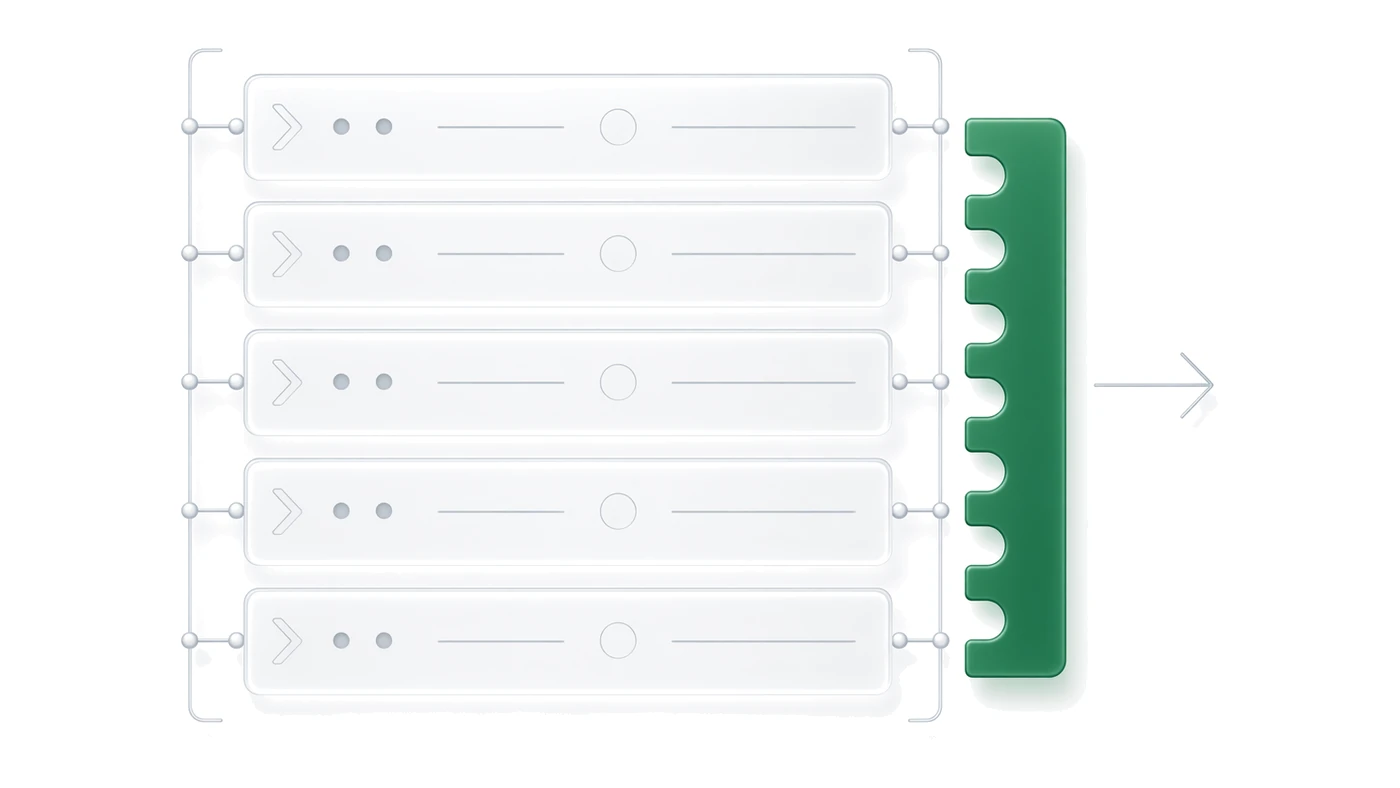
A campaign name is the one field that survives every export, every filtered view, and every script, so a naming pattern only works if it can be read by a machine as reliably as by a person. Treating names as an operational tool, chosen before the first campaign is built, saves the account from the slow drift where every manager who touches it invents a slightly different format.
Why does naming matter more than it looks?
Names get pulled into reporting dashboards, GAQL queries, scripts, and shared budget lists as plain text, so an inconsistent name is effectively a broken key in every system that joins on it. It also shows up in change history, where a rename with no explanation looks identical to a structural change nobody can now account for.
What should a campaign name pattern encode?
A useful pattern encodes a short, fixed set of facts in a fixed order: network or campaign type, geography or brand versus non-brand, targeting or match approach, and a short purpose token. Nothing about the pattern should require a manager to remember what order they used last time.
- Campaign type first, since it groups the account the way Google Ads itself already segments reporting: Search, PMax, Display, Video.
- Geography or audience scope next, so a filtered view for one region pulls cleanly without reading every ad group underneath it.
- A short purpose token last, such as the product line or offer, kept to one or two words.
- Ad group names should nest under the same logic, which is easier to hold to when ad groups follow a single-theme approach like the one covered in SKAGs versus themed ad groups.
What should you leave out of a name?
Leave out anything that will go stale the moment it changes: current budget amount, a bid strategy that might get swapped next quarter, or a status flag that duplicates what the enabled and paused columns already show. A date belongs in a name only when the campaign itself is genuinely time-bound, like a single promotion window, not as a permanent label on an evergreen campaign.
This is also why a campaign built around one job per campaign tends to have a shorter, more stable name than one trying to do several things at once. A campaign with one clear purpose rarely needs a long name to describe it. Google's own guidance on how campaign-level settings are organized is in the campaign settings documentation, which is a useful check on what belongs in a setting rather than in a name.
What naming pattern actually survives filters and scripts?
Pick one delimiter, use it in exactly one position pattern, and never reuse that character inside a token. A pattern like Search | Brand | US | Exact can be split reliably by any script or spreadsheet formula, while a pattern that mixes dashes, slashes, and spaces inconsistently cannot be parsed without manual cleanup first.
Google's own Ads Scripts documentation shows how campaign names get pulled and filtered programmatically, which is a useful test of whether a proposed naming pattern will actually hold up once someone tries to automate against it.
How do you migrate an existing account without breaking reporting history?
Renaming a campaign in Google Ads does not reset its history. The campaign ID and its stats stay attached to the same object regardless of what the name says. What breaks is everything outside Google Ads that joined on the old name string: a CRM export, a Looker Studio filter, or a script's regex match against the old pattern.
Migrate in a single sitting rather than a slow rolling rename, update every downstream join the same day, and log the change the way it is described in change receipts and the audit trail, so anyone reading history later can see the old name and the new one side by side instead of hitting an unexplained gap.
Run the rename alongside a normal audit checklist pass, since a full rename is also a natural point to catch campaigns that no longer match any current convention at all.
What breaks when names stay inconsistent?
A shared budget can get assigned to the wrong group of campaigns because the person setting it up matched on a name pattern that half the account does not follow. A script written to pause anything containing a specific token silently skips campaigns that used a slightly different word for the same thing. New team members guess at what an old name means instead of reading it directly, and that guess is not always right.
Fix the delimiter and the token order before the first campaign is built, write it down once, and never let a rename happen without updating every downstream report on the same day.