September 4, 2026 · 7 min read
Dynamic Search Ads After Performance Max: What They Still Do
What Dynamic Search Ads are still good for beside Performance Max, page feeds versus categories, and the negatives that stop them cannibalizing brand traffic.
By the AdvisorPPC Team · Reviewed by Claude
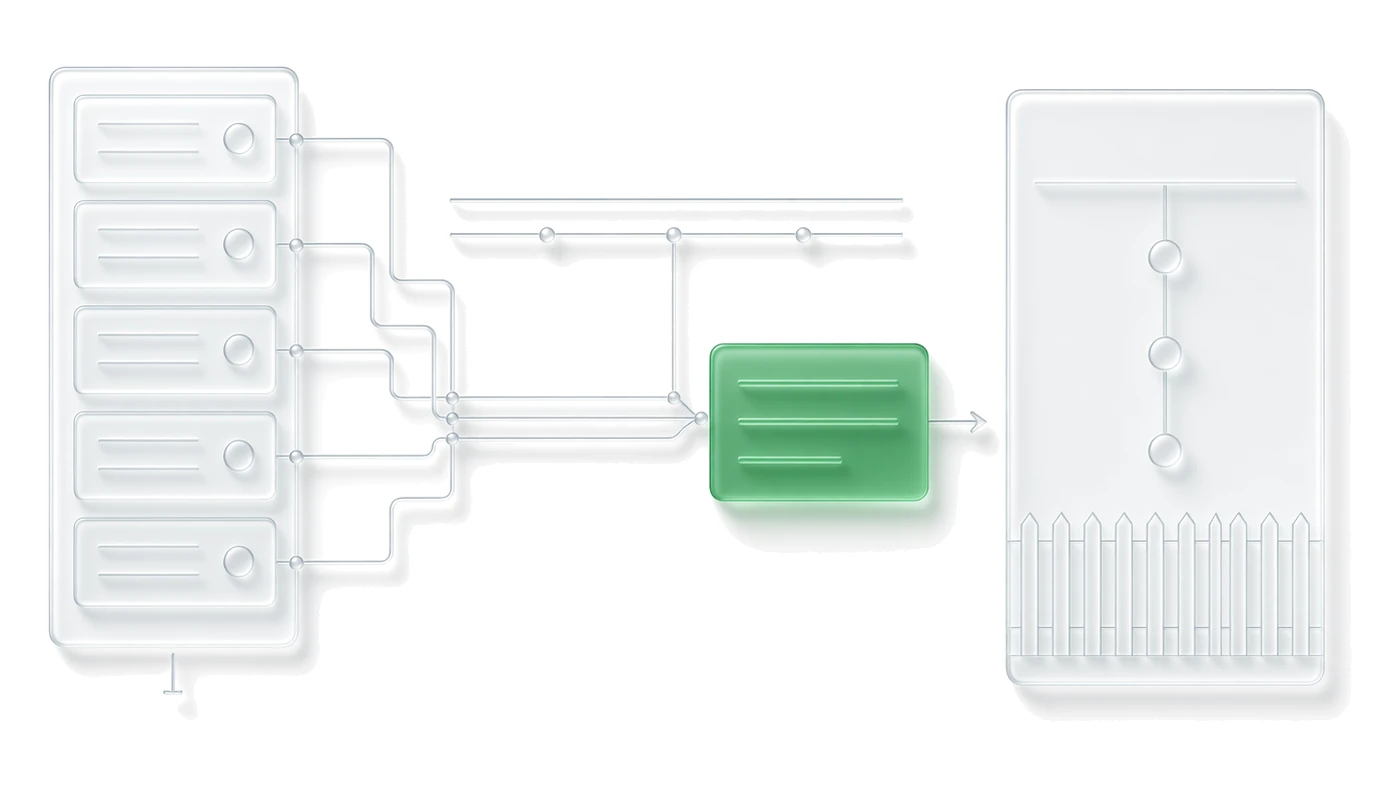
Dynamic Search Ads still earn a place in an account built around Performance Max, but only for a narrower job than they used to do. DSA matches queries to your site's own content instead of a keyword list, which makes it useful for filling coverage gaps and surfacing long-tail queries a keyword campaign never anticipated. Run one without page feed control, without negatives, and without a plan for brand traffic, and it will spend against queries you already own elsewhere and against pages you never meant to advertise.
What are Dynamic Search Ads still useful for now that Performance Max exists?
Performance Max already reaches across Search, Display, YouTube, and more using the account's assets and signals, which covers a lot of what DSA used to be the only way to do. DSA still earns its slot for two narrower jobs: catching long-tail search queries that match specific pages on a large site, and giving a search-only, headline-and-description ad format for content a keyword campaign has not been built to cover yet. Google describes the format's fit for exactly this on its About Dynamic Search Ads page.
If a site's inventory changes faster than an ad group structure can keep up, ads generated from the page itself close that gap without a manual campaign rebuild every time a page is added or removed. That is a narrower role than DSA played a few years ago, and it is worth comparing directly against what Performance Max already covers on its own before adding a DSA campaign on top.
Should you target DSA by page feed or by website category?
Google Ads can target Dynamic Search Ads two ways: by categories it generates automatically from crawling your site, or by a page feed, a spreadsheet of specific URLs you upload and control directly, described in Google's guide to feed-based DSA targeting. Category targeting is faster to launch and fine for a first test, but it hands Google the decision about which pages qualify and how they get grouped.
A page feed is the more precise option for a running campaign. You decide exactly which URLs are eligible, apply custom labels to control bids and structure by product line or margin, and exclude anything you never want serving. That level of control mirrors the same discipline behind a well-built ad group structure on the keyword side of the account.
What negatives and exclusions does a DSA campaign need on day one?
Because DSA writes its own targets from your site content, it needs the same negative keyword discipline covered in a standard negative keyword build, plus one more layer: page exclusions for content you never want an ad pointed at, like a careers page, a blog post, or a support article. Build all of it before the campaign goes live, not after the first week of spend shows you which queries got through.
- Exclude your own brand terms if a brand campaign already owns them, using the same account-level negative logic you would apply anywhere else.
- Exclude URL paths you never want advertised, such as careers, press, or support pages, directly in the page feed or targeting rules.
- Review the Dynamic Search Ads search terms report weekly for the first month, since DSA generates targets you did not write yourself.
The search terms report is the only place that shows what a DSA campaign actually matched, and it works the same way as the search terms report on a keyword campaign, just against a target list Google assembled from your pages instead of one you typed.
How do DSA ads end up cannibalizing brand traffic?
DSA generates targets from page content, and your own brand name appears on nearly every page of your own site. Without an exclusion, DSA will happily serve on searches for your brand name, competing with a brand campaign that already bids efficiently on that traffic, and it will usually report a cheap, inflated conversion rate that has nothing to do with the campaign finding new customers.
The fix is the same discipline covered in brand protection campaign setup and in handling competitor and brand bid overlap: exclude your own brand terms from DSA the same day the campaign launches, not after a month of reporting looks suspiciously good.
How is Ad Rank and performance different for Dynamic Search Ads?
DSA headlines and display paths are generated from the page's own content rather than written and tested like a responsive search ad, and Google documents that this changes how Ad Rank and performance behave for the format compared with a standard search ad. Treat a DSA campaign's Quality Score and click-through data as informative but not directly comparable to a keyword campaign's, since the ad text itself is not something you authored and iterated on the same way.
What is changing with DSA and AI Max?
Google has said Dynamic Search Ads campaigns will be automatically upgraded to AI Max starting in February 2027, folding the format into the newer AI Max structure rather than running it as a standalone campaign type. That gives an account time to get page feeds, exclusions, and brand protection right on the current version before the upgrade changes how the campaign is managed.
Dynamic Search Ads still earn long-tail coverage a keyword list cannot anticipate. Give them a page feed, brand and category exclusions, and a weekly search terms review from day one, or they will spend against traffic you already own.