August 3, 2026 · 8 min read
Google Ads Call Tracking: Measure Calls Without Confusing Them With Sales
Set up and audit Google Ads call tracking across call assets, website calls, duration thresholds, and offline outcomes.
By the AdvisorPPC Team · Reviewed by Claude
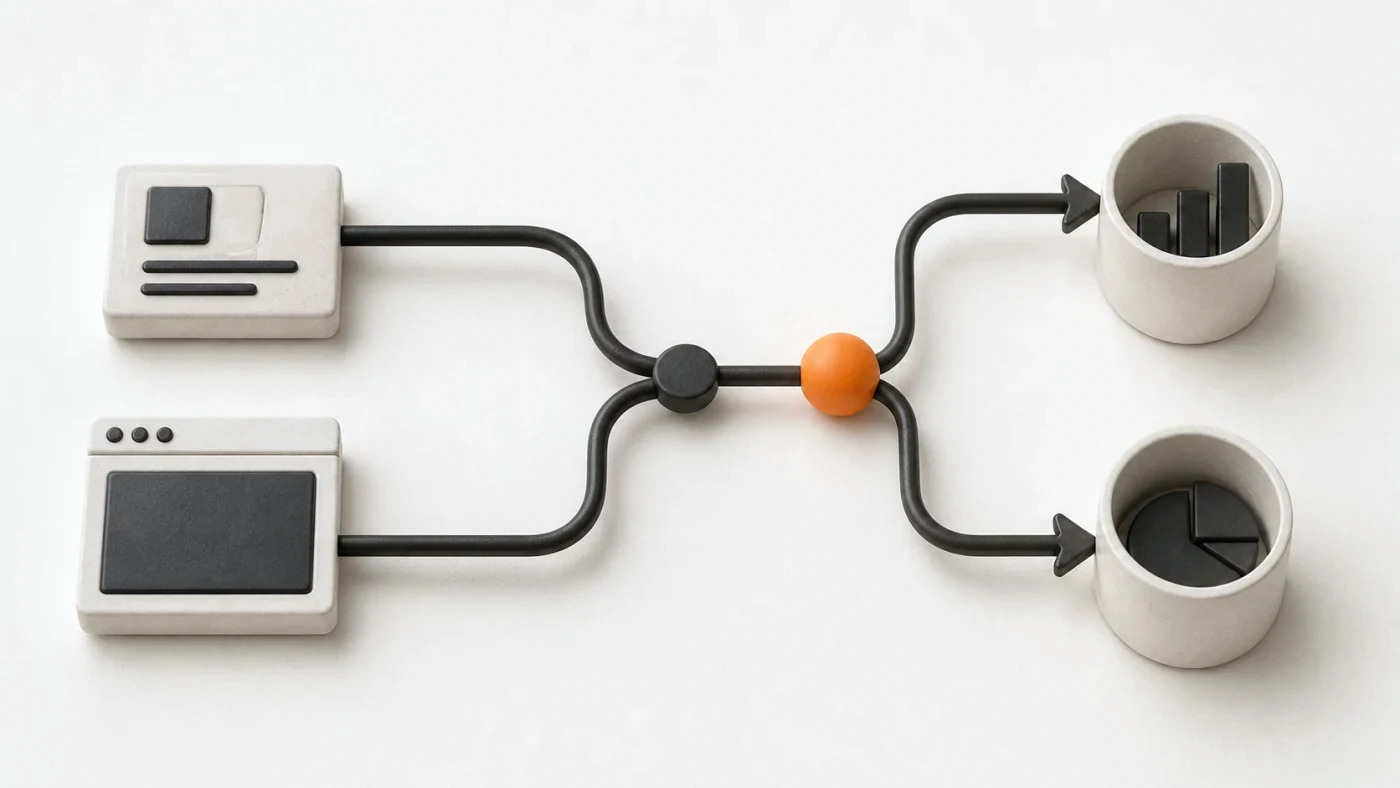
Google Ads call tracking connects ad interactions to phone calls through call reporting, website call conversions, or imported call outcomes. Count a call as a conversion only when it represents meaningful engagement, and send qualified or sold outcomes back when possible. A ringing phone, connected call, qualified lead, and sale are different events.
What can Google Ads call tracking measure?
Call reporting can measure calls from supported call assets and ads by routing them through Google forwarding numbers. Website call conversion tracking can connect calls made after an ad visit. Google's call measurement guide distinguishes duration-based conversions from imported outcomes.
Availability and behavior can vary by country and account type. Verify the current account setting rather than assuming forwarding numbers are present. Google's call reporting settings guide is the primary reference.
Why are phone calls and call conversions different?
A phone call is the connection event in reporting. A call conversion is a call that meets the account's chosen conversion rule, such as a duration threshold or an imported business outcome. Review conversion counting so repeat calls and different call actions are not blended carelessly.
Duration is a proxy, not proof of quality. Voicemail, hold time, wrong numbers, and support calls can all be long. If the sales system knows whether a caller qualified or bought, that later outcome is usually a better business signal.
How should you choose a call conversion threshold?
- Listen to or review outcomes from a lawful, consented sample.
- Measure how long menus and greetings take before real conversation begins.
- Ask the team which calls can actually become customers.
- Exclude operational and support numbers from acquisition measurement.
- Revisit the threshold when routing or staffing changes.
Do not choose a threshold because it makes the Conversions column look better. Keep weak phone interactions secondary when they are useful for observation but should not guide bidding. The primary versus secondary conversion guide explains that control.
When should call outcomes be imported?
Import when the CRM or call system can connect an ad-driven call to a later qualified, booked, or sold state. Use stable identifiers, clear event names, accurate timestamps, and deduplication. The offline conversion import guide covers the data pipeline and diagnostic checks.
What belongs in a call-tracking audit?
- Test the displayed number and confirm it reaches the intended business line.
- Verify the website number swap on an eligible ad visit.
- Compare calls, call conversions, and CRM outcomes.
- Check business hours against ad scheduling and time zones.
- Confirm which call actions are used by each campaign's bidding goals.
Call tracking is trustworthy when the path can be followed from ad interaction to phone connection to business outcome. Test the whole path after any tag, routing, schedule, or conversion-goal change.